

RFID Tags
Engineered to deliver visibility, accuracy, and control
RFID Tags
Engineered to deliver visibility, accuracy, and control
It All Starts with the Right RFID Tag
Whether you’re tracking linens, uniforms, assets, or facility items, RFID tags are the foundation for reliable, automated inventory visibility.
RFID tags do more than identify an item. They unlock the power of automated tracking, enabling operators to:
- Automate processes and optimize workflows
- Gain real-time visibility across their entire operation
- Strengthen accountability and prevent loss
- Accelerate processing with high-speed, bulk data capture
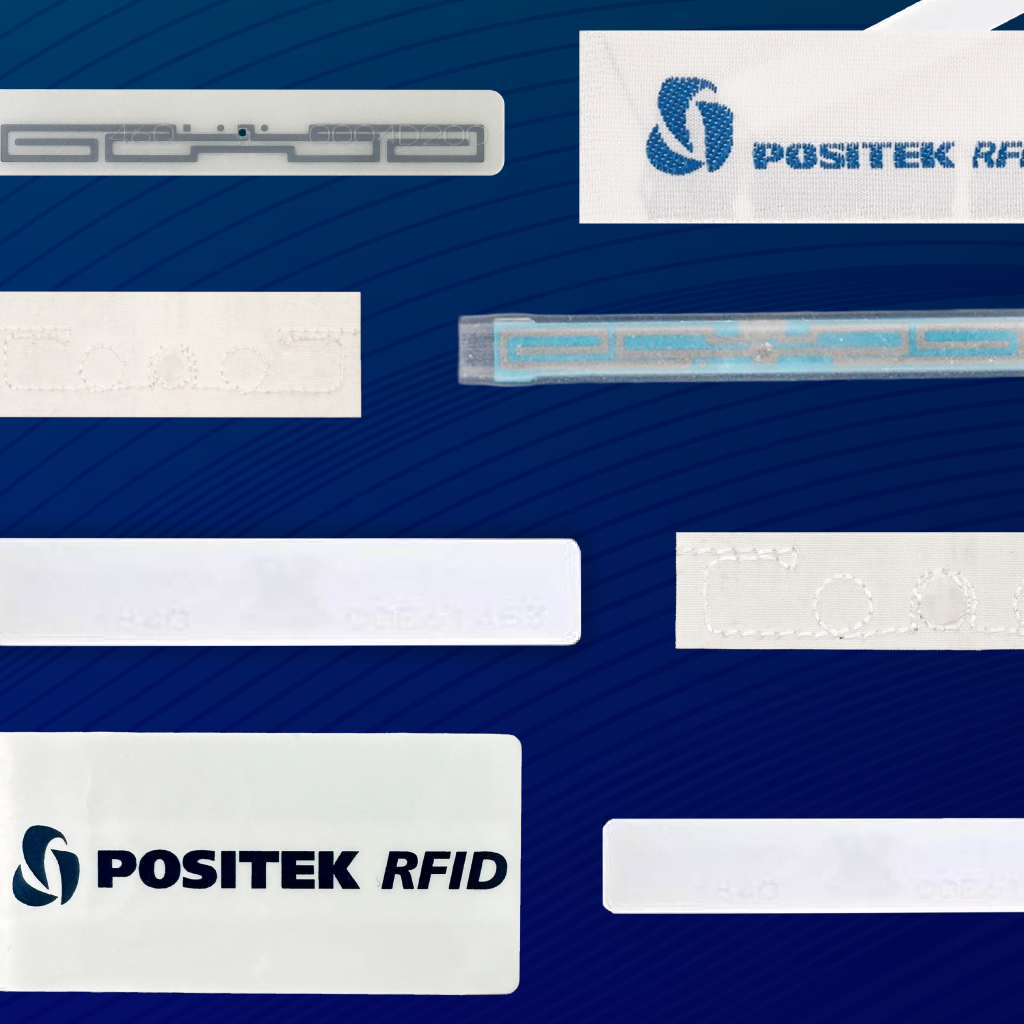
It All Starts with the Right RFID Tag
Whether you’re tracking linens, uniforms, assets, or facility items, RFID tags are the foundation for reliable, automated inventory visibility.
RFID tags do more than identify an item. They unlock the power of automated tracking, enabling operators to:
- Automate processes and optimize workflows
- Gain real-time visibility across their entire operation
- Strengthen accountability and prevent loss
- Accelerate processing with high-speed, bulk data capture
Turn RFID Tags to Full Visibility
RFID may sound complex, but the process is straightforward when it’s designed around your operation. Here’s how Positek RFID transforms individual RFID tags into real-time visibility and actionable data.
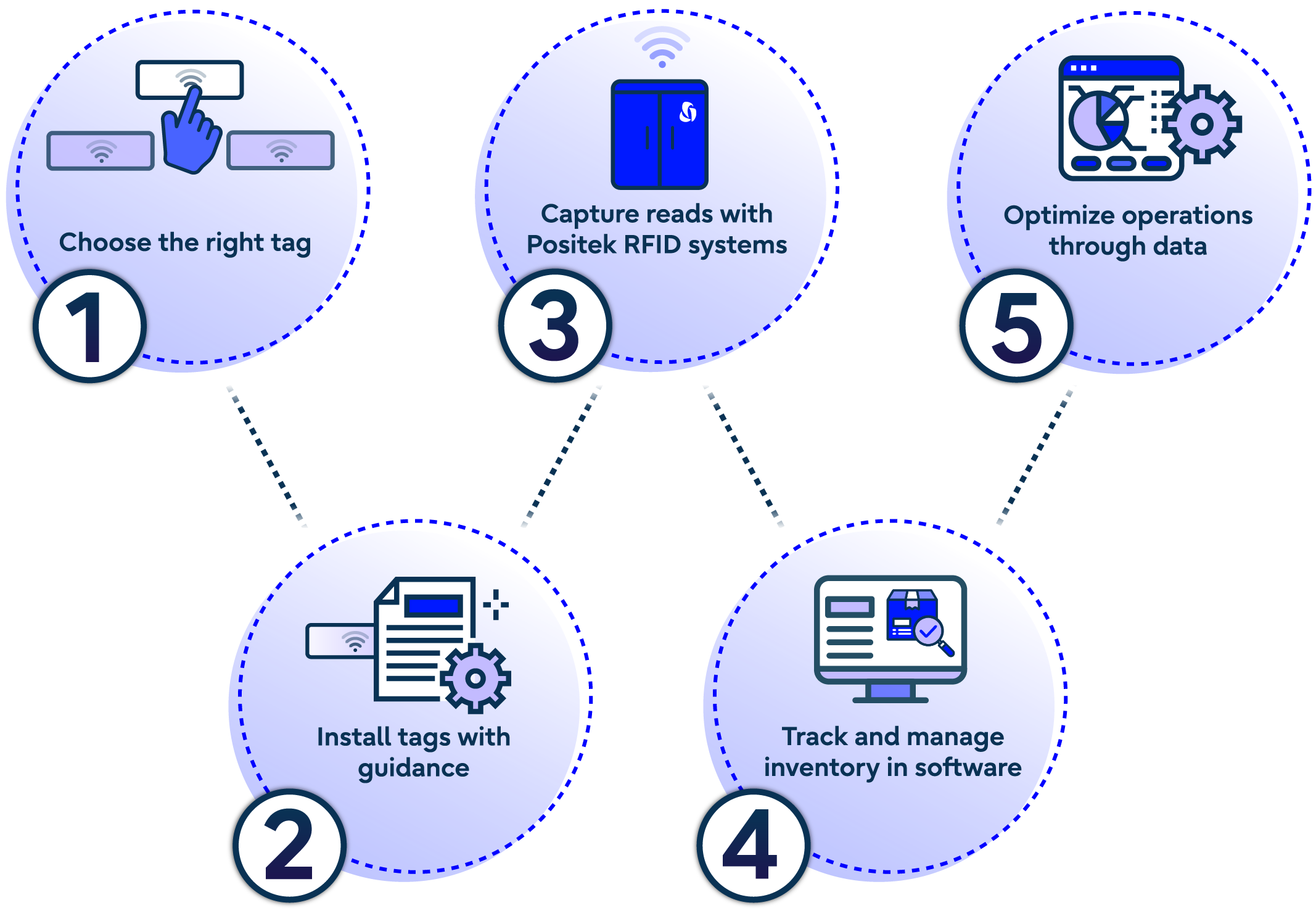
Turn RFID Tags to Full Visibility
RFID may sound complex, but the process is straightforward when it’s designed around your operation. Here’s how Positek RFID transforms individual RFID tags into real-time visibility and actionable data.
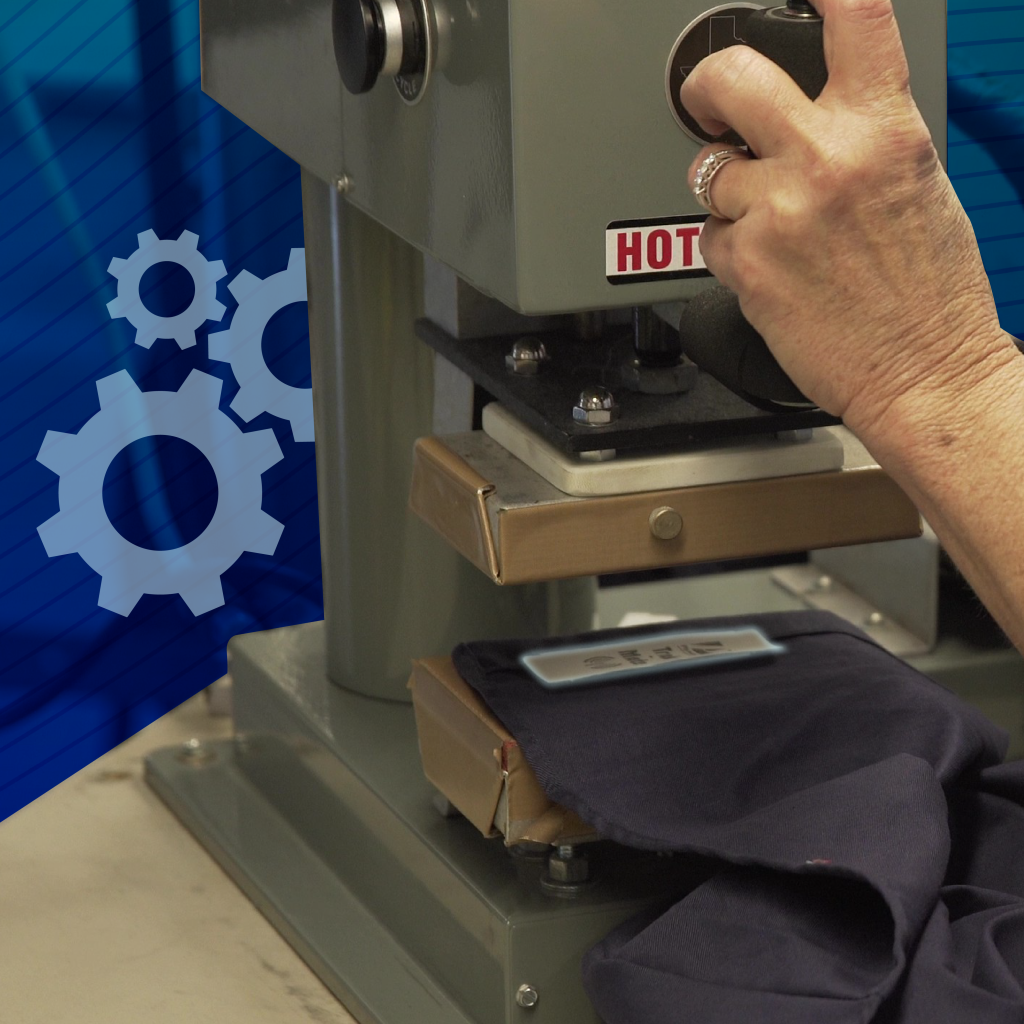
Engineered for Accuracy
Not all RFID tags are created equal. In harsh environments like laundries, tag performance directly impacts system accuracy.
Positek RFID doesn’t just sell tags — we deliver purpose-built tagging solutions designed to perform in the most demanding conditions and easily integrate with the inventory systems you already use. Our RFID tags:
- Use rugged, laundry-grade materials
- Deliver high read rates even in dense stacks
- Feature an optimized antenna design for reliable performance
- Withstand repeated wash, dry, and process conditions
Engineered for Accuracy
Not all RFID tags are created equal. In harsh environments like laundries, tag performance directly impacts system accuracy.
Positek RFID doesn’t just sell tags — we deliver purpose-built tagging solutions designed to perform in the most demanding conditions and easily integrate with the inventory systems you already use. Our RFID tags:
- Use rugged, laundry-grade materials
- Deliver high read rates even in dense stacks
- Feature an optimized antenna design for reliable performance
- Withstand repeated wash, dry, and process conditions
Positek RFID: Beyond RFID Tags
Many RFID tag providers will sell a tag and disappear. Positek RFID is built different. We deliver complete, end-to-end RFID systems tailored to your operations, plus service and support that actually goes above and beyond.

We offer high-performance tags built for harsh environments that deliver reliable reads every time.
Positek RFID delivers complete RFID solutions, going beyond the tag to help transform your operations.

Exceptional service and support ensures you get the most from your RFID investment.
RFID Tags for Every Application
Positek RFID offers a range of high-performance RFID tags optimized for different applications. Each tag type is chosen based on your workflow, environment, and performance needs.
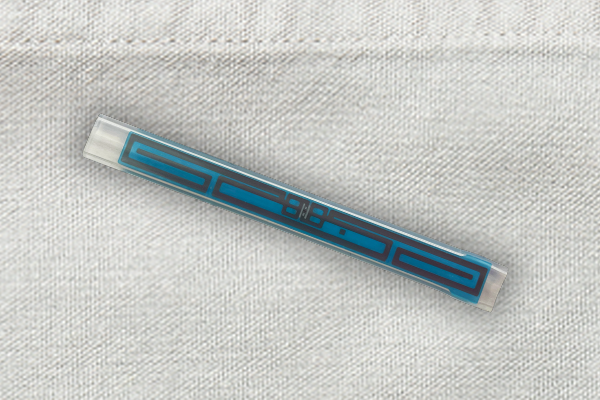
WT-A546/A548 Standard Tag
The ultra-rugged RFID tag is a durable, low-cost option for tracking flat linens where heat seal installation isn’t an option.
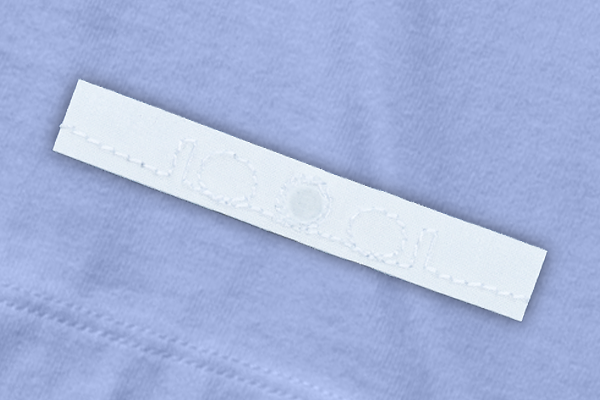
PosiTag Hem Tag UHF RFID Tag
Designed to blend in seamlessly with the fabric, the PosiTag Hem Tag delivers exceptional durability, accurate sorting, and fast processing.

PosiTag Heat Seal UHF Tag
This woven RFID tag is easy to install via heat sealing and delivers high performance and durability in laundry environments.
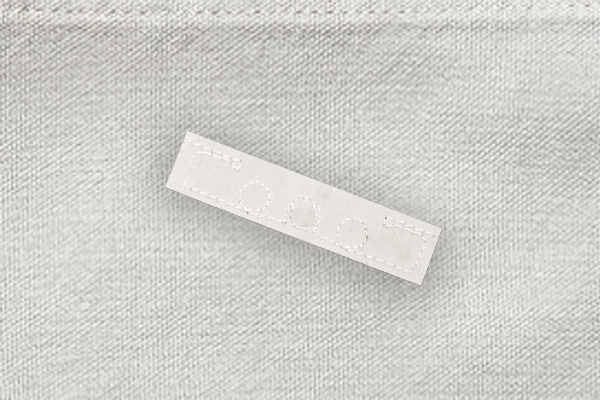
PosiTag Heat Seal Mini Tag
The smaller RFID tag is designed for minimal impact on linen’s fabric functionality without sacrificing durability and accuracy.
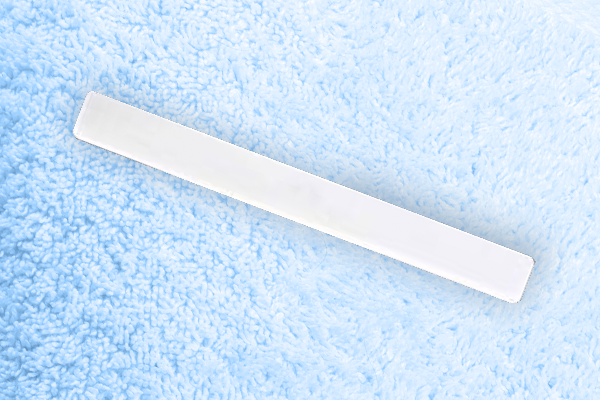
WT-A543 Linen Tag
This compact RFID tag is built for performance and accuracy with commercial textiles, and can withstand high-pressure extractors and flatworks irons.
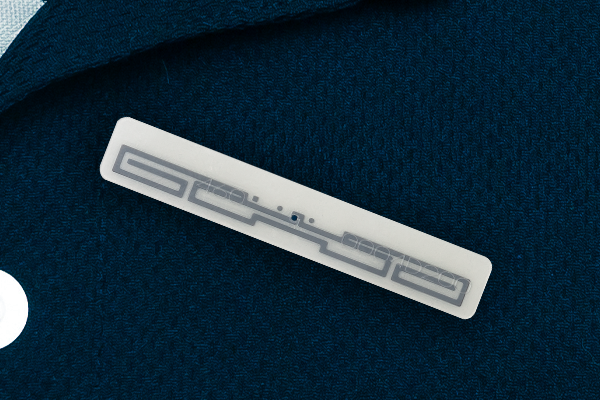
WT-A533G Garment Tag
Designed for lighter-duty applications, this cost-effective tag is a great option when high-pressure extraction is not in use.
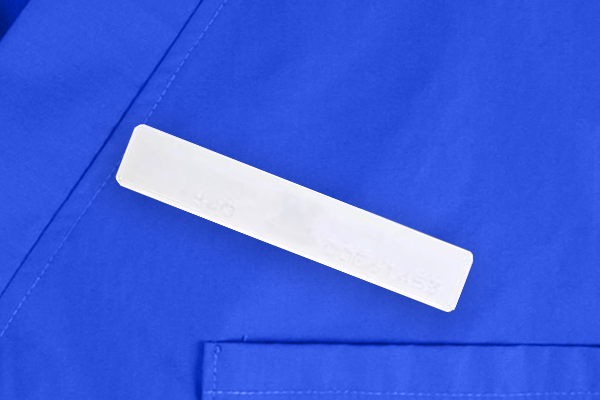
WT-A533HT RFID Tag
This ruggedized RFID tag offers the benefits of UHF RFID in high temperature environments where autoclave sterilization is in use.
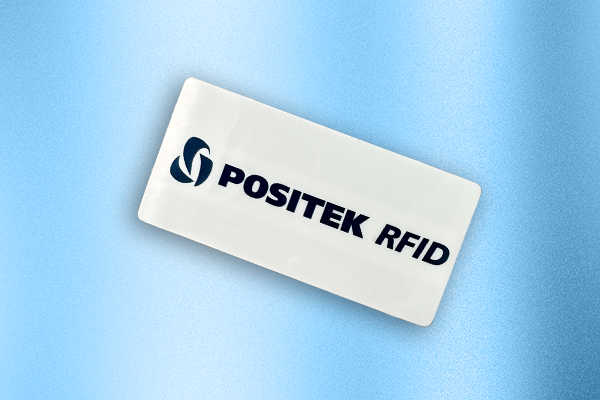
PosiTag Asset Tag On Metal
The durable tag simplifies asset management of metal products in industrial environments.
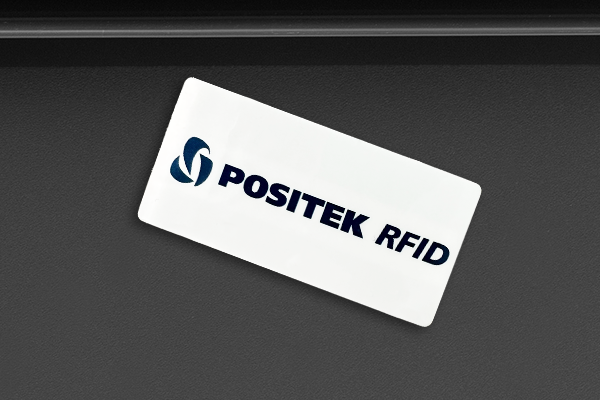
PosiTag Asset Tag Standard
Designed for tracking non-metal assets such as returnable containers.
RFID Tags for Every Application
Positek RFID offers a range of high-performance RFID tags optimized for different applications. Each tag type is chosen based on your workflow, environment, and performance needs.
WT-A546/A548 Standard Tag
The ultra-rugged RFID tag is a durable, low-cost option for tracking flat linens where heat seal installation isn’t an option.
PosiTag Hem Tag UHF RFID Tag
Designed to blend in seamlessly with the fabric, the PosiTag Hem Tag delivers exceptional durability, accurate sorting, and fast processing.
PosiTag Heat Seal UHF Tag
This woven RFID tag is easy to install via heat sealing and delivers high performance and durability in laundry environments.
PosiTag Heat Seal Mini Tag
The smaller RFID tag is designed for minimal impact on linen’s fabric functionality without sacrificing durability and accuracy.
WT-A543 Linen Tag
This compact RFID tag is built for performance and accuracy with commercial textiles, and can withstand high-pressure extractors and flatworks irons.
WT-A533G Garment Tag
Designed for lighter-duty applications, this cost-effective tag is a great option when high-pressure extraction is not in use.
WT-A533HT RFID Tag
This ruggedized RFID tag offers the benefits of UHF RFID in high temperature environments where autoclave sterilization is in use.
PosiTag Asset Tag On Metal
The durable tag simplifies asset management of metal products in industrial environments.
PosiTag Asset Tag Standard
Designed for tracking non-metal assets such as returnable containers.
RFID Tag FAQs
RFID has come a long way from its early days. What used to be complex and cost-prohibitive is now faster, smarter, and more accessible than ever, helping organizations automate processes, improve visibility, and operate efficiently.
If you’re wondering how RFID fits into your environment, you’re not alone. Below, our team answers the most common questions to help you better understand how RFID tags can elevate your operations.
What is an RFID tag?
An RFID (Radio Frequency Identification) tag is a small device that stores data and communicates wirelessly using radio waves. It’s typically attached to an item such as a linen, garment, or asset to enable automatic identification and tracking without the need for line-of-sight scanning.
How does an RFID tag work?
An RFID tag works by transmitting its unique ID to an RFID reader when it enters the reader’s range. The reader captures this information and sends it to software, where the data is processed and turned into actionable insights, such as inventory counts, item location, or movement history.
Do RFID tags require batteries?
Most RFID tags used in inventory and asset tracking are passive, meaning they don’t require a battery. They draw power from the RFID reader’s signal, making them low maintenance and cost-effective for large-scale deployments.
How are RFID tags attached to items?
RFID tags can be sewn in, heat-sealed, embedded, or mechanically attached, depending on the application. The attachment method is chosen by the specific operation to ensure durability and consistent read performance throughout the item’s lifecycle.
Can RFID tags work with any RFID system?
RFID tags generally follow industry standards, but performance depends on how well the tag is matched to the environment, reader hardware, and software. Using the right combination ensures accurate reads and reliable data.
Will RFID tags survive repeated wash and dry cycles?
Yes, RFID tags designed for industrial laundry environments are built to withstand hundreds of wash and dry cycles, including high heat, water pressure, and chemicals. Tag durability depends on selecting the right tag for your specific wash formulas, temperatures, and equipment.
Will RFID tags affect linen comfort or appearance?
No, laundry-grade RFID tags are designed to be flexible, lightweight, and unobtrusive, so they don’t impact comfort, folding, or presentation. When properly installed, tags are virtually unnoticeable to end users.
How accurate is RFID when counting large volumes of linen?
When implemented correctly, RFID systems deliver high read accuracy, even when scanning thousands of items at a time. Accuracy depends on tag quality, placement, reader configuration, and process design, all of which should be optimized together.
Can RFID help reduce lost or missing linen?
Yes, RFID provides visibility into where linens are throughout their lifecycle, from processing and storage, through distribution and returns. This visibility helps laundries identify loss, reduce shrinkage, and improve accountability.
How long do RFID tags typically last in a laundry environment?
Tag lifespan varies by application, but most laundry-grade RFID tags are designed to last the full lifecycle of the linen or garment. Choosing the correct tag helps ensure it lasts as long as the product itself.
RFID Tag FAQs
RFID has come a long way from its early days. What used to be complex and cost-prohibitive is now faster, smarter, and more accessible than ever, helping organizations automate processes, improve visibility, and operate efficiently.
If you’re wondering how RFID fits into your environment, you’re not alone. Below, our team answers the most common questions to help you better understand how RFID tags can elevate your operations.
What is an RFID tag?
An RFID (Radio Frequency Identification) tag is a small device that stores data and communicates wirelessly using radio waves. It’s typically attached to an item such as a linen, garment, or asset to enable automatic identification and tracking without the need for line-of-sight scanning.
How does an RFID tag work?
An RFID tag works by transmitting its unique ID to an RFID reader when it enters the reader’s range. The reader captures this information and sends it to software, where the data is processed and turned into actionable insights, such as inventory counts, item location, or movement history.
Do RFID tags require batteries?
Most RFID tags used in inventory and asset tracking are passive, meaning they don’t require a battery. They draw power from the RFID reader’s signal, making them low maintenance and cost-effective for large-scale deployments.
How are RFID tags attached to items?
RFID tags can be sewn in, heat-sealed, embedded, or mechanically attached, depending on the application. The attachment method is chosen by the specific operation to ensure durability and consistent read performance throughout the item’s lifecycle.
Can RFID tags work with any RFID system?
RFID tags generally follow industry standards, but performance depends on how well the tag is matched to the environment, reader hardware, and software. Using the right combination ensures accurate reads and reliable data.
Will RFID tags survive repeated wash and dry cycles?
Yes, RFID tags designed for industrial laundry environments are built to withstand hundreds of wash and dry cycles, including high heat, water pressure, and chemicals. Tag durability depends on selecting the right tag for your specific wash formulas, temperatures, and equipment.
Will RFID tags affect linen comfort or appearance?
No, laundry-grade RFID tags are designed to be flexible, lightweight, and unobtrusive, so they don’t impact comfort, folding, or presentation. When properly installed, tags are virtually unnoticeable to end users.
How accurate is RFID when counting large volumes of linen?
When implemented correctly, RFID systems deliver high read accuracy, even when scanning thousands of items at a time. Accuracy depends on tag quality, placement, reader configuration, and process design, all of which should be optimized together.
Can RFID help reduce lost or missing linen?
Yes, RFID provides visibility into where linens are throughout their lifecycle, from processing and storage, through distribution and returns. This visibility helps laundries identify loss, reduce shrinkage, and improve accountability.
How long do RFID tags typically last in a laundry environment?
Tag lifespan varies by application, but most laundry-grade RFID tags are designed to last the full lifecycle of the linen or garment. Choosing the correct tag helps ensure it lasts as long as the product itself.